
How does the structural integrity of your skin change as the years pass? Many individuals notice a gradual shift in the mirror, characterized by a loss of structural support and a less defined jawline.
Understanding the relationship between collagen and skin aging is the first step toward managing these changes. By looking at the deeper dermal layers, we can discover how modern cosmetic science approaches the preservation of youthful skin elasticity.
Understanding Collagen and Skin Aging Dynamics
To comprehend how collagen and skin aging affect the face, we must examine the extracellular matrix. The dermis is composed primarily of Type I and Type III collagen, which provide structural tensile strength. As we age, the synthesis of these structural proteins naturally declines, leading to visible changes in the skin matrix.
In our editorial evaluations at Pure Skin Curation, we observe how this biological slowdown influences consumer choices. The degradation process is accelerated by matrix metalloproteinases, which are enzymes that cleave peptide bonds within collagen fibers. Consequently, the natural degradation rate surpasses the body’s replacement capacity, leading to a loss of firmness over time.
This progressive decline in collagen and skin aging pathways alters the framework of the deep dermis. Fibroblast cells, which are responsible for producing these structural fibers, become less active and responsive. According to the American Academy of Dermatology, natural structural shifts occur continuously, meaning that cosmetic interventions may only support the appearance of firmness rather than permanently reversing biological time.
“The gradual fragmentation of the dermal collagen matrix is a hallmark of chronological aging, altering how the skin responds to gravity and daily muscle movement.”
— Dr. Elena Rostova, Dermatological Research Specialist
As the structural network becomes more fragmented, the skin loses its ability to bounce back. This shift makes collagen and skin aging a central focus for researchers developing advanced topical formulas and nutritional supplements designed to support the skin barrier.
Why Your Dermal Matrix Loses Structural Support
The structural integrity of our skin depends on more than just collagen fibers. The extracellular matrix relies on a complex network of elastin fibers and glycosaminoglycans, which work together to maintain healthy aging pathways. Elastin provides the necessary recoil, while glycosaminoglycans, such as hyaluronic acid, draw moisture into the tissue.
When collagen and skin aging progress, this delicate matrix begins to break down. Elastin fibers undergo elastosis, a process where they become frayed and lose their original snap. Simultaneously, the depletion of glycosaminoglycans reduces the dermal water-binding capacity, leading to a state of chronic dehydration that highlights the appearance of fine lines.
During our review of ingredient formulations, we frequently analyze how these structural changes affect overall barrier function. A compromised matrix often leads to increased transepidermal water loss. When the dermal-epidermal junction weakens, the skin loses its youthful plumpness, making the visible signs of collagen and skin aging more pronounced on the surface.
Without adequate structural support, the skin starts to sag and show creases. This structural shift explains why keeping the skin barrier hydrated and supported is essential for maintaining a firm, resilient complexion over time.
Intrinsic Versus Extrinsic Aging Factors
To address the visible signs of aging effectively, we must distinguish between the two primary forces at play: intrinsic aging and extrinsic aging. Intrinsic aging is dictated by our genetics and cellular senescence, which naturally slows down cell turnover. Extrinsic aging, however, is driven by external stressors like UV radiation, pollution, and lifestyle habits.
Exposure to ultraviolet radiation is the primary driver of extrinsic collagen and skin aging. UV rays generate reactive oxygen species, which trigger inflammatory pathways that degrade existing structural proteins. This process, known as photoaging, can cause deep wrinkles, uneven pigmentation, and a dramatic loss of elasticity long before chronological aging would naturally do so.
The table below outlines the key differences between these two aging pathways, highlighting how they impact the structural proteins within our dermis.
| Feature/Factor | Intrinsic Aging (Chronological) | Extrinsic Aging (Photoaging) |
|---|---|---|
| Primary Cause | Genetics and cellular senescence | UV radiation, pollution, lifestyle |
| Dermal Impact | Slow, uniform thinning of the dermis | Rapid, irregular collagen fragmentation |
| Elasticity Loss | Gradual decrease in tissue recoil | Severe elastosis and deep wrinkling |
| Moisture Levels | Moderate reduction in natural oils | Severe barrier disruption and dehydration |
Understanding these distinct pathways helps us target our daily care more effectively. While we cannot alter our genetic code, we can modify our exposure to extrinsic factors to better manage how collagen and skin aging affect our appearance.
Ingestible Collagen and Skin Aging Support
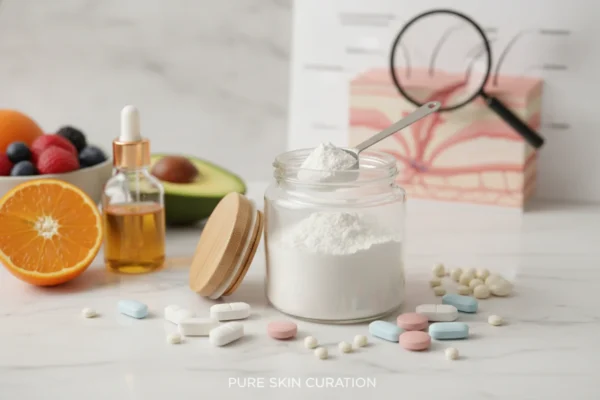
The beauty market is filled with oral supplements designed to support the dermal matrix from within. Many of these products utilize hydrolyzed collagen peptides, which are broken down into smaller, highly bioavailable amino acid sequences. Manufacturers claim these peptides are easily absorbed through the digestive tract and may help support the body’s natural synthesis pathways.
According to the official websites of several leading supplement brands, regular consumption of these peptides may improve the appearance of skin hydration and elasticity. From a scientific perspective, these ingested fragments may act as signaling molecules, communicating with fibroblasts to support the natural production of structural proteins. However, it is important to remember that these supplements do not target the skin exclusively, as the body distributes amino acids where they are needed most.
When evaluating these supplements, we emphasize that results may vary significantly from person to person. Ingestible options should be viewed as supportive measures rather than quick fixes. For comprehensive advice on how collagen and skin aging are influenced by nutrition, consumers should consult a qualified healthcare professional, as supplements should never replace a balanced diet.
Topical Ingredients That Support Elasticity
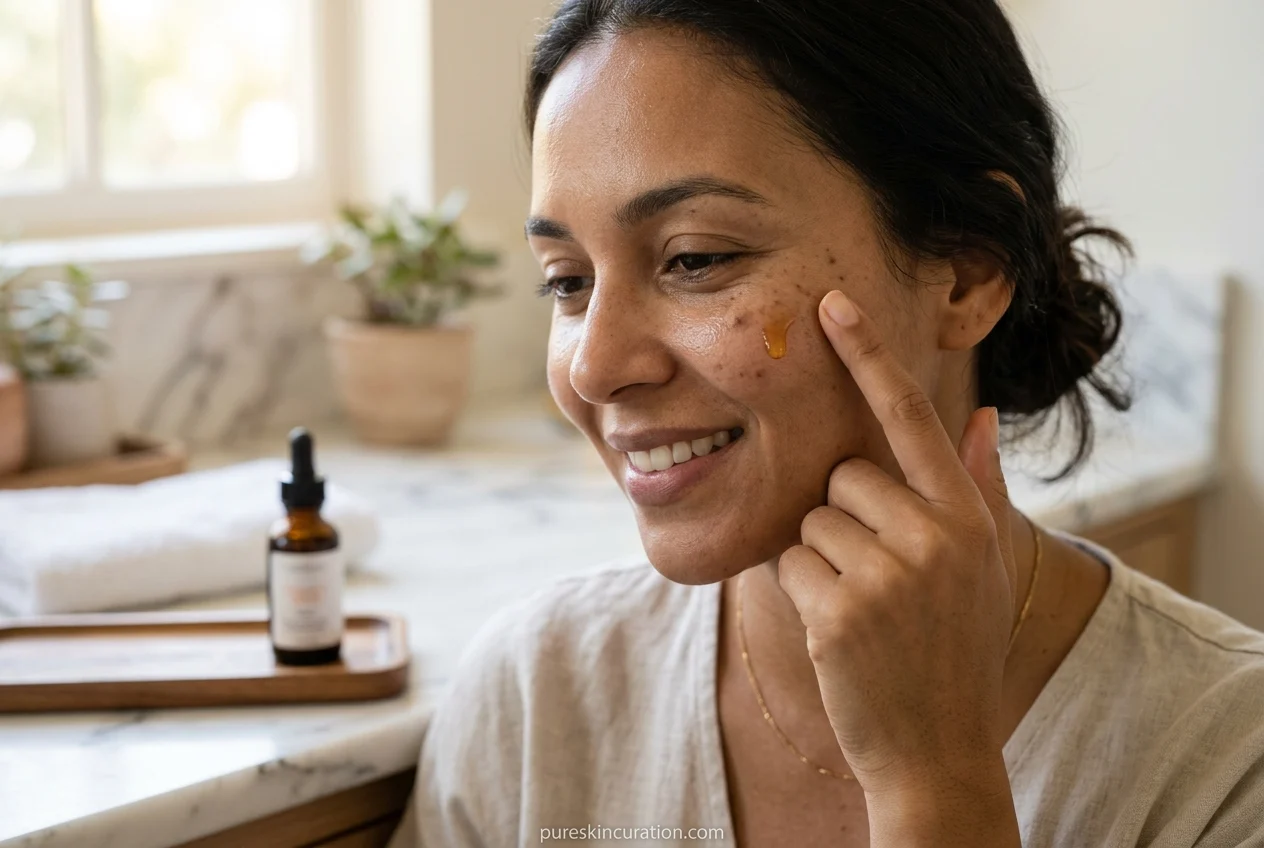
While oral supplements work from the inside out, topical cosmetic formulations offer a targeted approach to support the skin surface. Certain active ingredients are highly regarded for their ability to improve the appearance of aging skin and support a firmer-looking barrier.
In our experience analyzing clinical cosmetic trials, we have identified several key ingredients that consistently perform well in supporting mature skin:
- Retinoids: These vitamin A derivatives may help support natural cell turnover, improving the appearance of fine lines and uneven texture.
- Peptides: Short chains of amino acids that may support the skin’s structural integrity, helping the surface look firmer and more resilient.
- Vitamin C: A powerful antioxidant that neutralizes free radicals, which may help protect the dermal matrix from UV-induced oxidative stress.
- Niacinamide: Also known as vitamin B3, this ingredient supports the skin barrier, helping to retain moisture and improve overall elasticity.
While these topical solutions can significantly improve the appearance of your skin, they do not cure, treat, or permanently reverse the chronological changes associated with collagen and skin aging.
Establishing a Balanced Wellness Regimen
Maintaining a firm and resilient complexion requires a balanced, multi-faceted approach. Combining targeted topical skincare with proper sun protection and nutritional support is the most effective way to care for your skin barrier. Daily application of a broad-spectrum sunscreen is the single most important step you can take to shield your dermal matrix from extrinsic damage.
At Pure Skin Curation, we recommend focusing on overall wellness to support your skin from every angle. Prioritizing adequate sleep, managing daily stress levels, and eating a diet rich in antioxidants all play a vital role in maintaining a healthy appearance. When selecting products, look for gentle, supportive formulas that respect the delicate nature of the skin barrier.
Because every individual has unique physiological needs, we strongly recommend consulting a qualified healthcare professional or dermatologist before starting any new dietary supplement or intensive topical treatment. A specialist can help tailor a routine to your specific concerns, ensuring safe and effective support for your collagen and skin aging journey.
Looking for a supplement that supports healthy aging from within?
One option many readers explore is Longevity Activator, a dietary supplement designed to support the body as it ages. Review the full formula details and current availability on the official page.
Affiliate disclosure: We may earn a commission if you purchase through this link, at no extra cost to you. This content is for informational purposes only and is not medical advice. Statements have not been evaluated by the FDA; this product is not intended to diagnose, treat, cure, or prevent any disease.